Two Different Markets, Two Different Stories
Metals markets divide into two distinct categories: precious metals (gold, silver, platinum, palladium) and industrial metals (copper, aluminum, zinc, nickel, lead). Understanding which category you’re analyzing matters because demand drivers, price behaviors, and trading venues differ substantially.
The practical point: gold moves on inflation fears and central bank policy. Copper moves on construction activity and manufacturing data. Treating them as a single “metals” category misses what actually drives prices.
Precious Metals: Store of Value and Industrial Use
Precious metals combine monetary/investment demand with industrial applications.
Gold
Demand breakdown (2023):
- Jewelry: 49% (~2,100 tonnes)
- Investment (bars, coins, ETFs): 23% (~1,000 tonnes)
- Central bank purchases: 23% (~1,000 tonnes)
- Technology/industrial: 5% (~220 tonnes)
What moves gold prices:
- Real interest rates (gold has no yield, so opportunity cost matters)
- US dollar strength (inverse relationship)
- Inflation expectations (safe haven demand)
- Central bank buying/selling
- Geopolitical uncertainty
Price range (2020-2024): $1,600 - $2,400 per troy ounce
The key insight: gold behaves more like a currency than a commodity. Its price reflects monetary conditions and risk sentiment, not industrial demand.
Silver
Demand breakdown (2023):
- Industrial applications: 50% (solar panels, electronics, batteries)
- Jewelry: 19%
- Investment: 17%
- Silverware: 4%
- Photography: 3%
What moves silver prices:
- Gold prices (silver follows gold directionally)
- Industrial demand (solar panel production, electronics)
- Investment flows (more volatile than gold)
Price range (2020-2024): $12 - $32 per troy ounce
The practical point: silver sits between precious and industrial. It moves with gold during financial stress but also responds to manufacturing cycles.
Platinum and Palladium
Primary demand: Automotive catalytic converters (both metals reduce emissions)
| Metal | 2023 Price Range | Primary Use | Key Producer |
|---|---|---|---|
| Platinum | $850 - $1,100/oz | Diesel catalysts, jewelry | South Africa (70%) |
| Palladium | $900 - $1,500/oz | Gasoline catalysts | Russia (40%), South Africa (35%) |
What moves prices:
- Automotive production volumes
- Emission regulation changes
- Supply disruptions (concentrated production)
- EV adoption (reduces catalytic converter demand)
Industrial Metals: Economic Activity Barometers
Industrial metals prices track manufacturing, construction, and infrastructure spending.
Copper
Demand breakdown:
- Construction (wiring, plumbing): 25%
- Electrical networks: 25%
- Transportation: 12%
- Consumer products: 12%
- Industrial machinery: 11%
Why copper matters: Used in virtually everything electrical. Growing demand from EVs (3-4x more copper than ICE vehicles), renewable energy, and grid upgrades.
Price range (2020-2024): $2.00 - $5.00 per pound ($4,400 - $11,000 per tonne)
Aluminum
Demand breakdown:
- Transportation: 27% (vehicle lightweighting)
- Construction: 24%
- Packaging: 17%
- Electrical: 12%
Key characteristic: Energy-intensive production. Smelters need cheap electricity, making aluminum sensitive to power costs.
Price range (2020-2024): $0.70 - $1.60 per pound ($1,500 - $3,500 per tonne)
Zinc, Nickel, Lead
| Metal | Primary Use | Price Range (2020-2024) |
|---|---|---|
| Zinc | Galvanizing steel | $0.90 - $2.00/lb |
| Nickel | Stainless steel, batteries | $6 - $15/lb |
| Lead | Batteries (automotive) | $0.80 - $1.20/lb |
Nickel note: EV battery demand is growing, but stainless steel still dominates (~70% of consumption).
Comparison: Precious vs. Industrial
| Factor | Precious Metals | Industrial Metals |
|---|---|---|
| Primary demand | Investment, jewelry | Manufacturing, construction |
| Price driver | Monetary policy, sentiment | Economic activity, production |
| Volatility | Lower (gold), higher (silver) | Higher, cyclical |
| Storage cost | Low (high value per unit) | Higher (bulky, heavy) |
| Recycling | High recovery rates | Significant secondary supply |
| Primary exchange | COMEX | LME |
Trading Venues
COMEX (CME Group) - Precious Metals
Located in New York, part of CME Group. Primary venue for gold and silver futures.
Key contracts:
- Gold (GC): 100 troy ounces per contract
- Silver (SI): 5,000 troy ounces per contract
- Copper (HG): 25,000 pounds per contract
Trading hours: Electronic trading nearly 24 hours, floor trading 8:20 AM - 1:30 PM ET
LME (London Metal Exchange) - Industrial Metals
World’s largest market for industrial metals trading.
Key contracts:
- Copper
- Aluminum
- Zinc
- Nickel
- Lead
- Tin
Unique features:
- Daily prompt dates: Unlike US futures, LME contracts mature on specific business days
- Warehouse system: Physical delivery through LME-certified warehouses globally
- Ring trading: Open-outcry trading still occurs (though electronic dominates)
Trading hours: Ring trading 11:40 AM - 5:00 PM London time; electronic 24 hours
Supply Dynamics
Mining Concentration Creates Risk
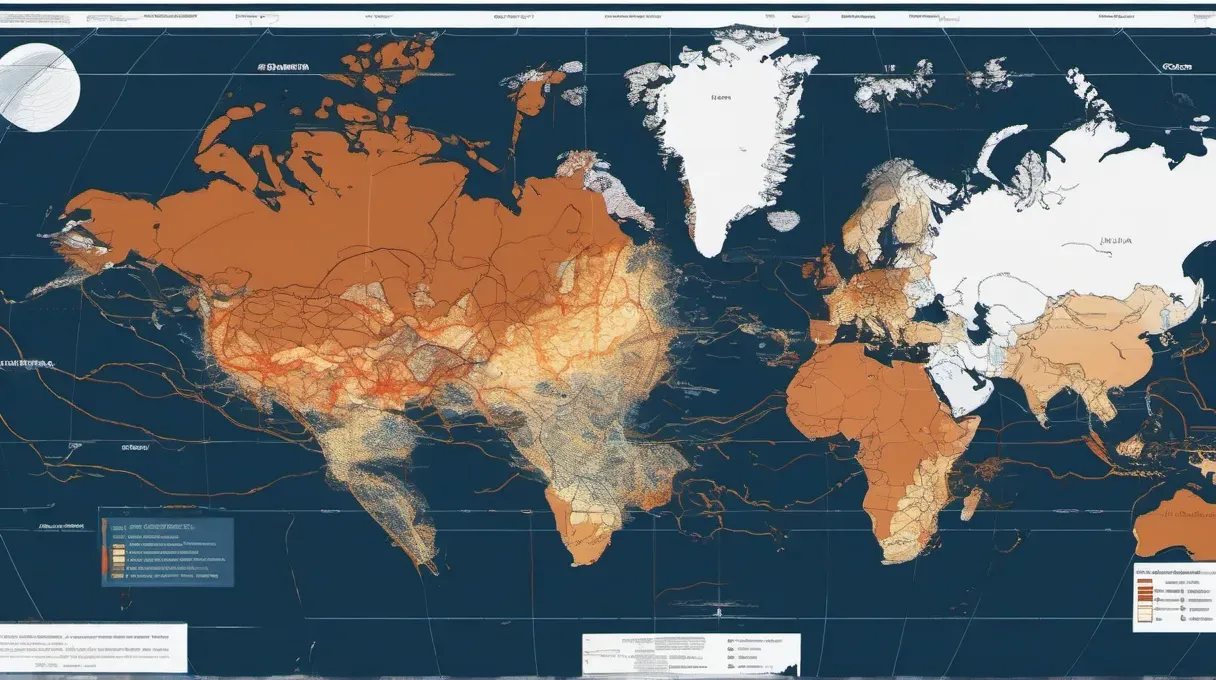
| Metal | Top 3 Producers | Share of Global Production |
|---|---|---|
| Copper | Chile, Peru, DRC | ~45% |
| Gold | China, Russia, Australia | ~30% |
| Platinum | South Africa | ~70% |
| Palladium | Russia, South Africa | ~75% |
| Nickel | Indonesia, Philippines, Russia | ~50% |
| Aluminum | China, India, Russia | ~65% |
What concentration means: Political instability, labor strikes, or export restrictions in major producers can significantly impact global supply.
Example: Russian invasion of Ukraine (2022) disrupted palladium supply expectations, spiking prices from $1,800 to $3,400/oz within weeks.
Recycling (Secondary Supply)
| Metal | Recycling Rate | Secondary Supply Share |
|---|---|---|
| Gold | 90%+ recovery | ~25% of supply |
| Silver | 80%+ | ~20% |
| Copper | 80%+ | ~35% |
| Aluminum | 75%+ | ~30% |
| Lead | 99% (batteries) | ~60% |
High recycling rates create price-responsive secondary supply. When prices rise, more scrap enters the market.
What to Watch: Demand Indicators
For Precious Metals
- Gold ETF holdings (GLD, IAU flows)
- Central bank purchases (World Gold Council data, quarterly)
- Real interest rates (TIPS yields, inverse correlation with gold)
- US dollar index (DXY, inverse correlation)
For Industrial Metals
- China PMI (manufacturing purchasing managers’ index)
- Construction starts (US, China, Europe)
- LME warehouse inventories (physical supply indicator)
- Auto production data (copper, aluminum, zinc demand)
Price Behavior During Economic Cycles
| Cycle Phase | Gold | Industrial Metals |
|---|---|---|
| Early expansion | Flat to down | Rising (demand recovering) |
| Mid-cycle | Flat | Strong (peak demand) |
| Late cycle | Rising (inflation) | Peaking, then falling |
| Recession | Rising (safe haven) | Falling (demand collapse) |
| Recovery | Falling (risk-on) | Rising sharply |
The practical point: gold and copper often move in opposite directions during cycle transitions. During the 2020 COVID crash, gold rose 25% while copper fell 20%, then reversed as recovery began.
Monitoring Checklist
Essential (understand each market)
- Track gold and copper as leading indicators for each category
- Watch China demand data (dominates industrial metals consumption)
- Monitor ETF flows for precious metals sentiment
- Note LME inventory trends for industrial supply/demand
High-impact (for active tracking)
- Compare gold/silver ratio (historically 50-80:1, signals relative value)
- Track copper/gold ratio (rising = risk-on, falling = risk-off)
- Monitor COMEX and LME futures curves for contango/backwardation
- Follow mining company production guidance
Optional (for deeper analysis)
- Model supply deficits/surpluses by metal
- Track recycling economics (scrap spreads)
- Monitor energy costs for aluminum smelters
- Follow automotive production forecasts for PGMs
References
Source: World Gold Council. Gold Demand Trends Full Year 2023. 2024.
Source: The Silver Institute. World Silver Survey 2024. 2024.
Source: International Copper Study Group. Copper Market Forecast 2024-2025. 2024.
Source: London Metal Exchange. LME Market Data and Reports. 2024.