Setup
In early 2013, Google stood at an inflection point. Android had become the dominant mobile platform, YouTube was finally monetizing at scale, and search remained an unassailable cash machine. The Motorola acquisition was still a question mark, but the core business was firing on all cylinders.
The macro backdrop was supportive. QE3 was in full swing, housing was recovering, and risk appetite was strong. But challenges lurked: mobile ad pricing (CPC) was compressing as traffic shifted from desktop, and any earnings miss could trigger sharp selloffs—as the infamous October 2012 premature earnings release had shown.
This case study follows a trade through the first half of 2013, navigating Fed taper fears and earnings volatility while riding the mobile advertising wave. How did platform scale hold up against macro uncertainty?
What Was Observable Before Entry
What Was Observable Before Entry (2012)
Macro Regime:
- QE3 had launched in September 2012, providing liquidity tailwinds
- Europe had stabilized after Draghi’s “whatever it takes” speech
- U.S. housing was recovering, supporting consumer confidence
- The “fiscal cliff” debate created year-end uncertainty
Company-Specific Setup:
- Google had rallied from ~$14.50 to ~$18.43 during 2012 (+27%)
- Android market share was surging, dominating mobile
- YouTube monetization was accelerating
- Motorola Mobility integration was ongoing (a drag on margins)
- The October 2012 premature earnings release caused a sharp drop to $16
Sector Momentum:
- Tech was performing well, driven by mobile and cloud themes
- Mobile CPC compression was a concern but not thesis-breaking
Sentiment:
- Generally bullish on Google’s platform scale
- Some nervousness about ad pricing pressures
- The October earnings leak showed headline risk was real
Thesis Formation
A trader might have entered here seeing:
- Dominant platform position in search, mobile (Android), and video (YouTube)
- QE liquidity supporting risk assets
- Strong secular trends in digital advertising
- Stock had recovered from October shock, showing buyer conviction
The concern: CPC compression could pressure margins. Fed could signal taper, removing liquidity support. Motorola integration risks.
Entry
What Was Observable at Entry
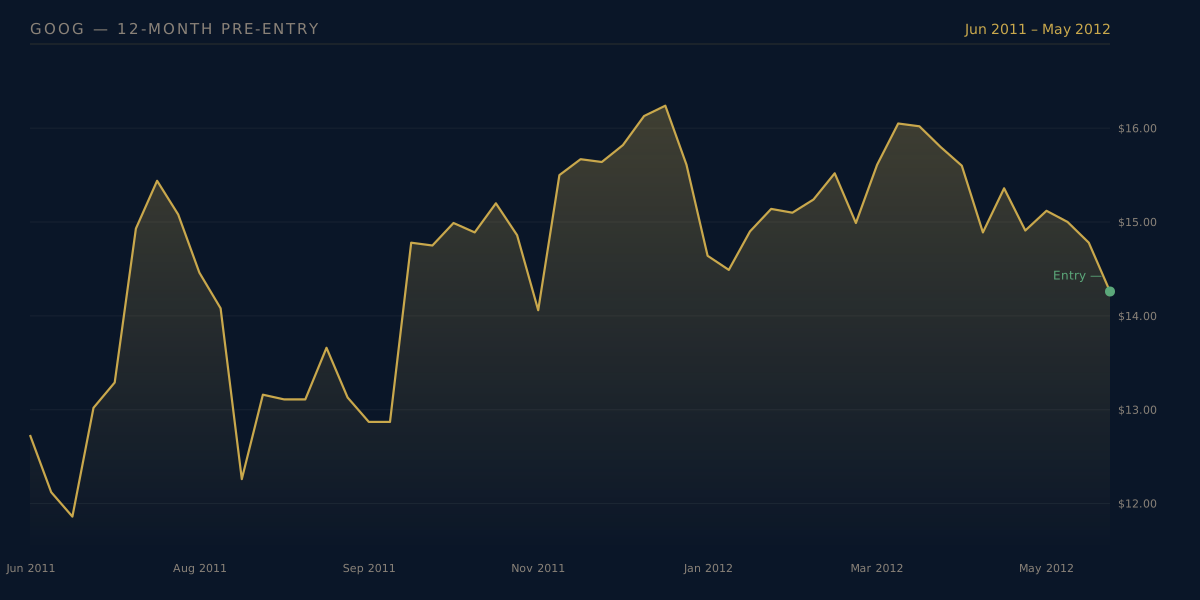
12-month price action before entry showing the 2012 rally, October earnings drop, and recovery into year-end.
Entry Details
- Date: January 7, 2013
- Price: ~$18.49 (adjusted for splits)
- Context: Entering after the 2012 rally, betting on continued platform strength
The Thesis
A trader might have entered here seeing:
- Dominant platform position in search, mobile (Android), and video (YouTube)
- QE liquidity supporting risk assets
- Strong secular trends in digital advertising
- Stock had recovered from October shock, showing buyer conviction
The concern: CPC compression could pressure margins. Fed could signal taper, removing liquidity support. Motorola integration risks.
Before continuing: Consider what you would have done. Would you have taken this entry? What risks would you have been most concerned about?
Journey
Key Events
| Date | Event | Category | Stock Reaction |
|---|---|---|---|
| Jan 7, 2013 | Entry at ~$18.49 | Entry | Starting point |
| Jan-Feb 2013 | Stock grinds higher toward $19.50 | Rally | Early strength |
| Mar 2013 | Cyprus banking crisis creates volatility | Macro | Brief wobble |
| Apr 2013 | Stock pushes above $20 | Breakout | Trend intact |
| May 13, 2013 | Peak at ~$22.71 | Peak | +23% from entry |
| May-Jun 2013 | Taper tantrum begins, stock pulls back | Macro | Gives back gains |
| Jun 24, 2013 | Exit at ~$22.01 | Exit | +19% gain |
How It Unfolded
Phase 1: The Grind Higher (Jan-Feb 2013) The trade started quietly. Google methodically climbed from $18.49 toward $19.50, adding 5-6% in the first two months. Volume was steady, and there were no major catalysts—just continued confidence in the platform story.
Phase 2: Navigating Cyprus (March 2013) The Cyprus banking crisis briefly spooked markets in March, but Google held above $20. The stock was becoming a “safe haven” within tech—too big and profitable to ignore, even when risk appetite wavered.
Phase 3: The Peak (May 2013) By mid-May, Google hit ~$22.71—a 23% gain from entry. The mobile advertising thesis was playing out, YouTube was growing, and QE remained in place. This was the high-water mark.
Phase 4: Taper Tantrum (June 2013) Then came the taper talk. Fed Chair Bernanke signaled that QE might be wound down sooner than expected, and risk assets sold off globally. Google dropped from $22.71 to $22.01 by late June—still a solid gain, but 3% off the highs.
Exit
- Date: June 24, 2013
- Price: ~$22.01
- Context: Exiting during taper tantrum volatility with +19% gain
Charts
Price Chart with Entry/Exit
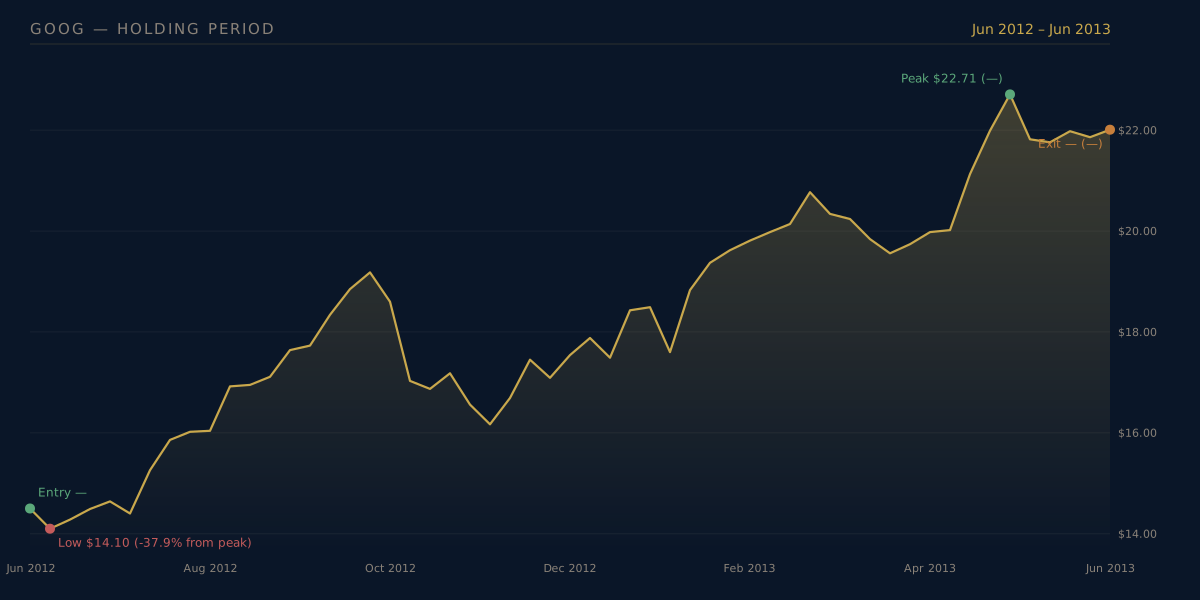
Weekly candlestick chart showing entry at ~$18.49 (green) and exit at ~$22.01 (blue). Note the steady climb and May peak.
Relative Performance vs. Benchmarks
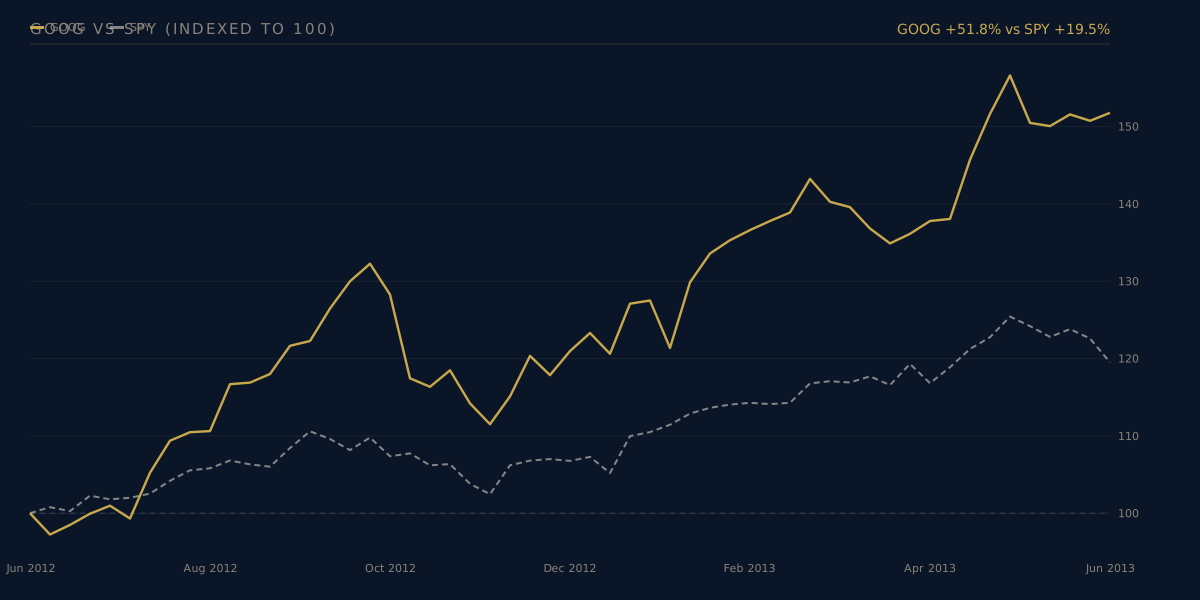
GOOG vs. S&P 500 vs. QQQ. Google outperformed both indices.
Drawdown from Peak
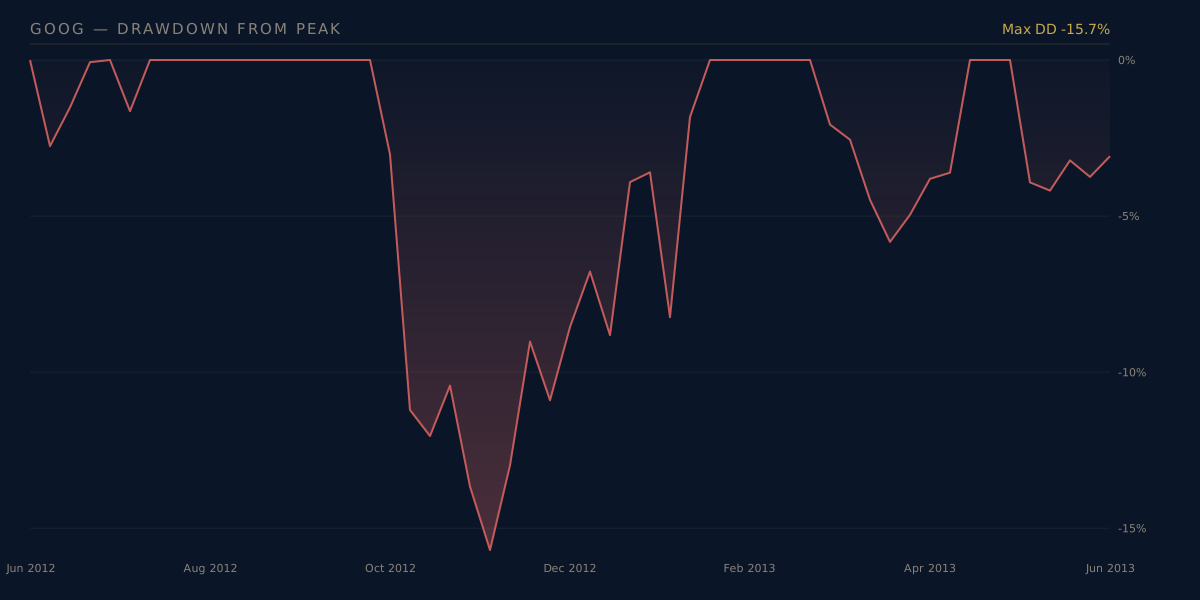
Modest drawdown from the May peak during the taper tantrum.
Results
Absolute Returns
| Metric | Value |
|---|---|
| Entry Price | ~$18.49 |
| Exit Price | ~$22.01 |
| Gross Return | +19.0% |
| Holding Period | ~6 months |
| Max Price (Close) | ~$22.71 |
| Min Price (Close) | ~$18.49 (entry) |
| Peak-to-Exit Drawdown | -3.1% |
Relative Performance
During the same period (Jan-Jun 2013):
- S&P 500 (SPY): Up approximately 13%
- Nasdaq 100 (QQQ): Up approximately 10%
- GOOG vs. S&P 500: Outperformed by ~6%
Google beat both major indices, validating the platform-scale thesis.
Lessons
What Worked
-
Platform scale provided resilience: Google’s dominant position in search, mobile, and video made it a relative safe haven even during macro stress.
-
Riding the QE tailwind: Liquidity-driven markets favored quality growth names, and Google fit the profile.
-
Holding through volatility: The Cyprus crisis and periodic CPC concerns created noise, but didn’t derail the trend.
What Didn’t Work
-
No scale-out at the peak: Exiting at $22.01 instead of $22.71 left 3% on the table. A staged exit around the May peak would have captured more.
-
Taper tantrum exposure: Holding through the Fed signal cost some gains. Awareness of macro catalysts could have prompted earlier profit-taking.
-
Single position, no hedges: Full exposure meant sitting through all the volatility.
Key Takeaways
-
Platform scale matters in volatile markets. Google’s size and profitability made it resilient when smaller tech names struggled.
-
Liquidity drives risk assets. QE3 was a major tailwind. Understanding central bank policy is crucial for equity positioning.
-
Take profits at peaks. The May high was visible in hindsight. A trailing stop or staged exit would have locked in more gains.
-
Macro events can clip returns. The taper tantrum wasn’t predictable, but having a profit protection plan would have helped.
-
Headline risk is real but often temporary. The October 2012 earnings leak caused a sharp drop that fully recovered. Patience was rewarded.
Sources
- Yahoo Finance historical data for GOOG
- Federal Reserve QE3 and taper announcements
- Android market share data (2012-2013)
- YouTube monetization reports
Disclosure: This case study is for educational purposes only and does not constitute investment advice. Past performance does not guarantee future results. All investments carry risk of loss.
Timeline of Events
- Jan 7, 2013: Entry at ~$18.49
Entry — Starting point
- Jan-Feb 2013: Stock grinds higher toward $19.50
Rally — Early strength
- Mar 2013: Cyprus banking crisis creates volatility
Macro — Brief wobble
- Apr 2013: Stock pushes above $20
Breakout — Trend intact
- May 13, 2013: Peak at ~$22.71
Peak — +23% from entry
- May-Jun 2013: Taper tantrum begins, stock pulls back
Macro — Gives back gains
- Jun 24, 2013: Exit at ~$22.01
Exit — +19% gain
Phase Breakdown
Phase 1: The Grind Higher (Jan-Feb 2013)
The trade started quietly. Google methodically climbed from $18.49 toward $19.50, adding 5-6% in the first two months. Volume was steady, and there were no major catalysts—just continued confidence in the platform story.
Phase 2: Navigating Cyprus (March 2013)
The Cyprus banking crisis briefly spooked markets in March, but Google held above $20. The stock was becoming a "safe haven" within tech—too big and profitable to ignore, even when risk appetite wavered.
Phase 3: The Peak (May 2013)
By mid-May, Google hit ~$22.71—a 23% gain from entry. The mobile advertising thesis was playing out, YouTube was growing, and QE remained in place. This was the high-water mark.
Phase 4: Taper Tantrum (June 2013)
Then came the taper talk. Fed Chair Bernanke signaled that QE might be wound down sooner than expected, and risk assets sold off globally. Google dropped from $22.71 to $22.01 by late June—still a solid gain, but 3% off the highs.
Key Lessons
- Platform scale matters in volatile markets
Google's size and profitability made it resilient when smaller tech names struggled.
- Liquidity drives risk assets
QE3 was a major tailwind. Understanding central bank policy is crucial for equity positioning.
- Take profits at peaks
The May high was visible in hindsight. A trailing stop or staged exit would have locked in more gains.
- Macro events can clip returns
The taper tantrum wasn't predictable, but having a profit protection plan would have helped.
- Headline risk is real but often temporary
The October 2012 earnings leak caused a sharp drop that fully recovered. Patience was rewarded.
Disclaimer: Equicurious provides educational content only, not investment advice. Past performance does not guarantee future results. Always verify with primary sources and consult a licensed professional for your specific situation.